Water mitigation means the emergency steps that stop damage from getting worse after water enters a building. It includes stopping the source, removing standing water and starting to dry. If water is still coming in, call our 24/7 line at (813) 738-0233 and a same-day response is available when a crew is free.
Mitigation is different from repair. Repair rebuilds what was damaged. Mitigation tries to keep the damage as small as possible so there is less to rebuild.
The Four Parts of Mitigation
Stop the source
A plumber or the homeowner closes the valve, repairs the line or stops the entry of water.
Extract
Pumps and extractors remove standing and pooled water from floors.
Remove what cannot be saved
Wet carpet pad, soaked insulation and ruined drywall come out so they do not hold moisture against the structure.
Dry and monitor
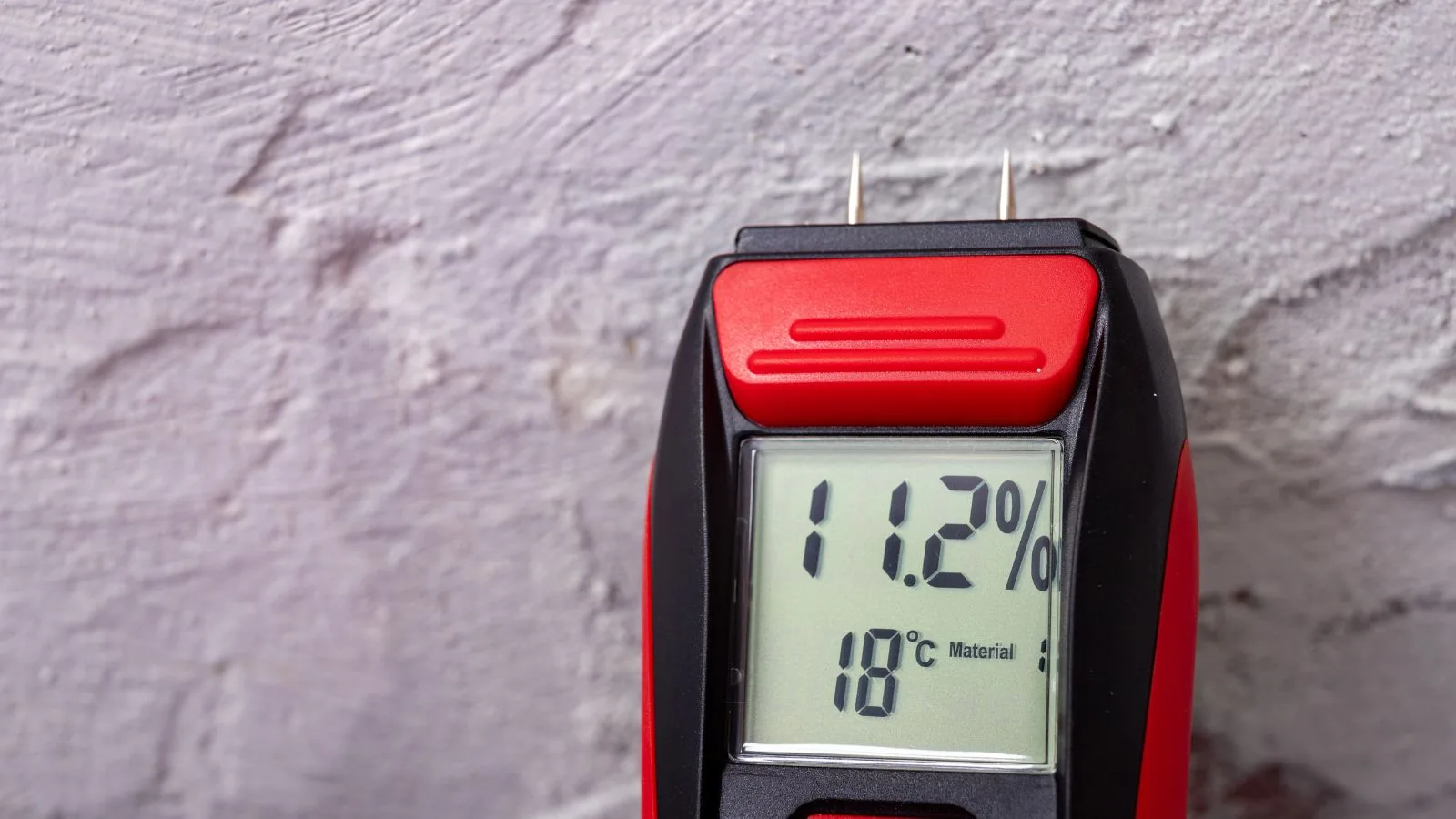
Air movers and dehumidifiers run while meters track progress until materials reach dry readings.
Mitigation Versus Restoration Versus Repair
| Stage | Goal | Typical work |
|---|---|---|
| Mitigation | Limit further damage | Extraction, removal, drying |
| Restoration | Return the property to its prior condition | Cleaning, treating, reinstalling |
| Repair and rebuild | Replace what was lost | Drywall, flooring, paint, cabinets |
Insurance policies often use these words differently, and a restoration company may handle one stage or all three. Ask which stage a quote covers.
See structural drying for the last part of mitigation.
Why Time Matters in Florida
Warm, humid air speeds the changes that make water damage worse. Drywall softens, wood swells and materials can start to grow mold in a matter of days. The longer water sits, the more has to be removed rather than dried.
The industry standard ANSI/IICRC S500 describes water damage restoration practices, and it classifies water by how clean it was at the source. Clean water that sits can turn into a worse category over time.
Mitigation in the Tampa Bay Climate
The National Weather Service in Tampa Bay reports that 55 to 70 percent of the area's rainfall comes from June through September. During those months, outdoor humidity is high and every open door lets wet air into a drying space.
That is why crews keep doors and windows closed during drying and rely on dehumidifiers. Crews serving Wimauma and Apollo Beach plan around the same conditions.
What You Can Do Before the Crew Arrives
- Shut off the water at the main valve.
- Turn off power to wet areas if you can do so safely.
- Move furniture, rugs and electronics out of the water.
- Open cabinet doors to let air reach the wet areas.
- Take photos of the damage before cleaning.
Do not use a household vacuum on standing water, and stay out of rooms where water is near outlets. If the water came from a sewer or a flood, keep everyone out and wait for protective-gear crews.
For storm water, read storm water damage cleanup too.
Dealing With This Right Now?
Call the 24/7 line. We explain the scope and the price before any work starts.
How to Tell Mitigation Is Done
Mitigation ends when moisture readings match a dry reference for each material. A room that feels dry is not a measurement. Ask the crew for the numbers.
After that, repairs can begin without trapping moisture behind new drywall or flooring.
Water Categories in Plain Language
| Category | Source example | Handling |
|---|---|---|
| Category 1 | Clean supply line or rain | Extract and dry, many materials can be saved |
| Category 2 | Dishwasher or washer discharge | Extract, clean and dry, porous materials judged case by case |
| Category 3 | Sewage or flood water | Protective gear, remove porous materials, disinfect |
Water can move between categories as it sits. A clean pipe break that soaks carpet for days may need to be treated more cautiously than it did on day one.
That is one more reason speed matters. Mitigation aims to keep a Category 1 loss from becoming something worse.
Questions to Ask Before You Hire a Crew
- Will you give me the scope and the price before work starts?
- Do you take daily moisture readings and share them?
- What equipment will run in my home, and for how many days?
- Do your crews work to the ANSI/IICRC S500 standard?
- What happens if the readings do not drop as planned?
Clear answers show a plan. If a company will not explain what it will do, keep looking. Good crews are glad to show you the meter and the dry reference.
Mitigation done well also helps your insurer see the loss clearly, since logs and photos document what was wet and when.
Mitigation in a Single-Story Slab Home
Many homes here are single-story on a concrete slab. Water spreads across the floor instead of falling to a lower level, so more rooms can be touched by a smaller leak. Carpet over a slab holds water, and the slab itself dries slowly.
That layout favors a quick extraction and a drying plan that treats the slab edge and wall bases. See slab leak water damage if the water seems to rise from the floor.
Water Mitigation Questions
Removal is one part. Mitigation also includes removing wet materials and drying the structure.
As soon as safely possible. Starting within the first day or two gives the best chance of saving materials.
Usually not. Repairs and rebuild come after the structure is dry.
Small spills yes. A real loss needs extractors, air movers, dehumidifiers and moisture meters.