Standing water is an emergency from the first inch. This line is open 24/7, so call as soon as you find it, then shut off the water at the fixture or the main valve, switch off power to wet areas only if you can reach the panel dry, and lift valuables off the floor.
Water extraction means pulling standing and absorbed water out of a building with pumps, wet vacuums and truck-mounted or portable extraction units. It comes before drying, because dehumidifiers cannot do much against water that is still sitting on the floor.
When Standing Water Is an Emergency
Call right away when the water is still rising, when it came from a toilet, drain or sewer line, or when it covers more than one room. A gallon on a tile floor is a cleanup. Two inches across a living room is a loss, because the water has already reached the baseboards and the padding under the carpet.
Night and weekend calls are routine for us. Burst supply lines and failed washer hoses do not wait for business hours, and a same-day response is available when a crew is free.
| What you see | Extraction method | What happens next |
|---|---|---|
| A few inches over hard flooring | Pumps and wet vacuums | Squeegee, then drying equipment on the floor and baseboards |
| Soaked carpet and pad | Weighted extraction wands, pad removal | Carpet is dried in place or pulled, depending on the water category |
| Water in wall cavities | Surface extraction, then drilled or opened cavities | Structural drying with air movers and dehumidifiers |
| Sewage or river water | Extraction with protective gear, then removal of porous materials | Cleaning and disinfecting before any drying |
Why Water Spreads Quickly in a Slab Home
Most of the houses in Sun City Center are single-story and sit on a slab. The community was founded in 1961 and grew to about 18,000 housing units by 2020, so many floors have been laid and relaid over the decades.
A slab does not absorb water, so it goes sideways. It slips under baseboards, wicks into the bottom of drywall and soaks the carpet pad across the whole room. That is why a leak that looks small near the washer can leave a wet strip under the hallway carpet an hour later.
Crews check how far it has gone with moisture meters and thermal imaging before pumping starts. The reading shows where the water went, and the scope of work follows the readings.
Water Still Spreading? Call Now
The 24/7 line is open. We explain the scope and the price before any work starts.
Rainy Season Calls and River Water
The National Weather Service in Tampa Bay reports that most of the area's yearly rain falls from June through September, often more than half of the annual total. Heavy summer downpours are when roofs, doorways and low spots in yards let water into houses.
The Little Manatee River runs along the south edge of the community, and Hillsborough County posted flood warnings for its gauge near Wimauma during Hurricane Debby and Hurricane Milton in 2024. If river or storm water has entered your home, treat it as contaminated and read about flood damage cleanup too.
Extraction cannot finish while water is still coming in. If it is still rising, protect people first and call us when the level stops or the source is blocked.
Extraction Is the First Step, Not the Whole Job
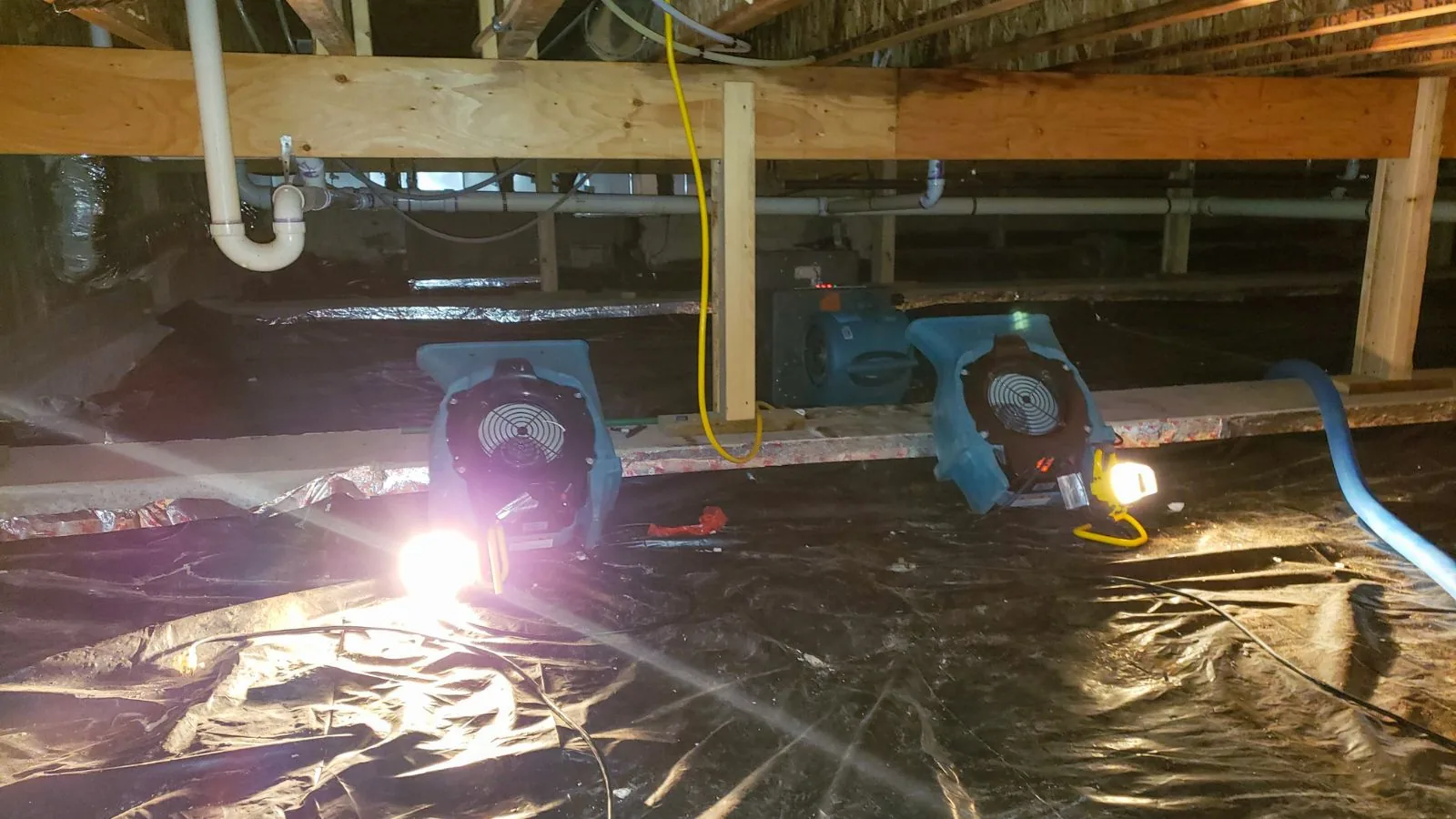
After the standing water is gone, the structure is still wet. Wet drywall and padding hold moisture for days, so structural drying and dehumidification follow with air movers and LGR dehumidifiers until the readings match a dry reference.
If the carpet took the worst of it, carpet water damage restoration explains when carpet can stay and when it has to go. Crews serving Wimauma and the rest of the area follow the same sequence.
What affects the cost of extraction
The price depends on the water category, the depth and spread of the water, the materials it reached and the hours of equipment on site. A sewage job costs more than a clean supply line because more material has to come out.
Homeowners policies often cover sudden and accidental water damage and often exclude flood, so check your policy or ask your insurer before you sign anything. Want your real number? Call (813) 738-0233.
- Water category: clean, gray or sewage
- Square footage and number of rooms affected
- Flooring, padding and drywall involved
- Days of drying equipment after extraction
- Rebuild after the materials are removed
Sources and Standards Behind This Page
Extraction and drying steps follow the ANSI/IICRC S500 standard for professional water damage restoration. Water categories are assigned the way that standard describes.
Water Extraction Questions From Sun City Center Homes
Yes. The line is open 24/7 and a same-day response is available when a crew is free. While you wait, stop the source, turn off power to wet areas only if it is safe, and lift valuables off the floor.
A single room usually takes a few hours and a whole house takes longer. Time depends on how much water there is and how many rooms it reached, and drying comes afterward.
It helps with a small spill, but a household wet vac cannot clear a soaked pad or a wall cavity. Do not use any electrical equipment while you are standing in water.
Sometimes. Clean-water carpet caught early can often be dried in place, while carpet soaked by sewage or river water is normally removed.
Extraction removes liquid water. Drying removes the moisture that soaked into the materials, and it takes air movers and dehumidifiers over several days.