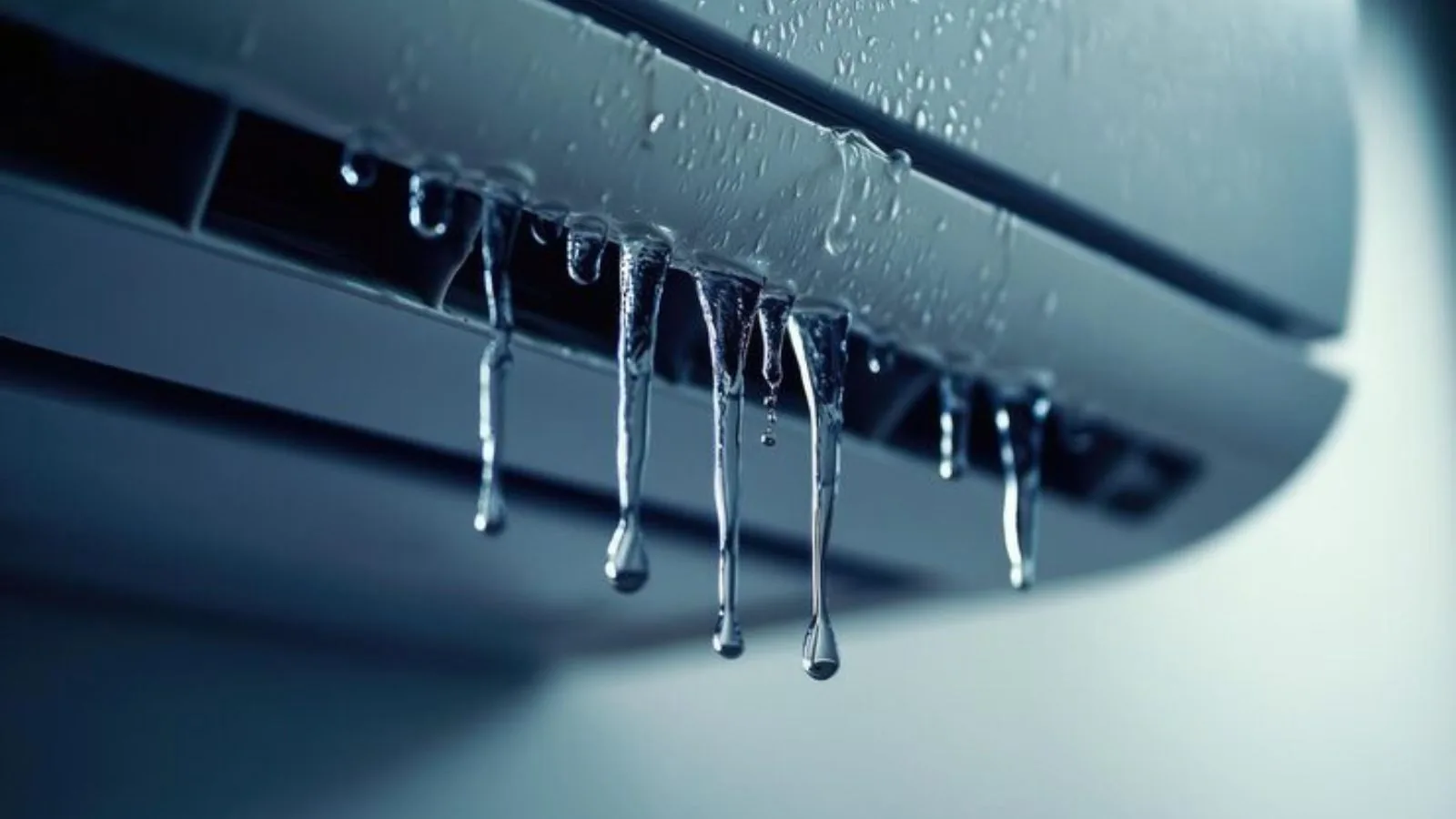
People use mold and mildew almost interchangeably, but there is a practical difference. Mildew usually describes surface growth on damp areas, while mold is a broader word that includes growth that can reach into materials. If water is still coming in, call our 24/7 line at (813) 738-0233 and a same-day response is available when a crew is free.
Both need moisture, and both can be told apart only roughly by eye. This article makes no health claims. It focuses on what you can see and do.
Quick Comparison
| Feature | Mildew | Mold |
|---|---|---|
| Typical look | Flat, powdery, gray or white | Fuzzy, slimy or spotty, many colors |
| Where found | Bathroom tile, shower curtains, window sills | Drywall, ceilings, wood, carpet, insulation |
| Depth | Mostly on the surface | Can penetrate porous materials |
| Usual fix | Clean and reduce humidity | Dry the source, remove porous material when needed |
| Who handles it | Homeowner with care | Often a licensed professional for larger areas |
The table is a rule of thumb. Color is not a reliable guide, and some molds look powdery. If you are unsure, treat it as mold and fix the moisture.
Read mold remediation for how larger growth is assessed in Florida.
Where Mildew Usually Shows Up
Showers, tub surrounds, window tracks and damp corners are common spots. A bathroom with no fan or a closet with no airflow can grow mildew in weeks.
Cleaning with detergent, drying the area and improving ventilation often solves it. If it returns in days, there is a moisture source nearby.
When It Is More Than Mildew
- Growth on drywall, ceiling tiles or wood.
- Soft or crumbling material under the spots.
- A musty smell that stays after cleaning.
- Growth in several rooms.
- Spots after a leak, a roof problem or an air conditioner drip.
Any of these suggests moisture inside a material. See wall and drywall water damage repair and AC leak water damage for common sources.
Dry the area first. Cleaning a surface that stays damp only buys a few days.
Humidity in the Tampa Bay Area
The National Weather Service in Tampa Bay reports that most of the area's rain falls from June through September, and humid air is common beyond those months. A bathroom without a working fan can stay damp for hours after a shower.
Practical steps include running fans during showers and for a while afterward, keeping the air conditioner drain line clear and not stacking items against exterior walls. Hillsborough County Water Resources can help if you suspect a service line leak outside.
How to Clean Mildew Safely
Ventilate
Open a door to a dry room and run a fan that exhausts outdoors.
Protect yourself
Wear gloves and eye protection.
Clean
Scrub hard surfaces with detergent and water, then rinse.
Dry
Wipe and let the area dry fully. A dehumidifier helps.
Watch
Check again in a week. If it returns, find the moisture.
Never mix bleach with ammonia or other cleaners. Strong fumes can hurt. Never use cleaners as a substitute for fixing a leak.
Crews serving Balm and Apollo Beach see the same bathroom and closet patterns in summer.
Dealing With This Right Now?
Call the 24/7 line. We explain the scope and the price before any work starts.
Cost and Scope
A small surface clean costs a few supplies. A job that involves drying walls, removing materials or testing is priced by area and complexity. We explain scope and price before work starts.
If a spot returns, a moisture reading shows whether water is hiding in the wall. That is a smaller step than waiting for damage to spread.
Prevention Habits for Florida Homes
- Run bathroom fans during showers and for 20 minutes after.
- Wipe shower walls and doors after use.
- Keep furniture a few inches off exterior walls.
- Leave closet doors slightly open in damp months.
- Fix drips, condensate lines and roof leaks promptly.
These steps cost little. They also lower the chance that a surface spot becomes a problem in a wall. If you travel in summer, keep the air conditioner on so humidity stays under control.
A hygrometer, available at hardware stores, shows indoor humidity. Many people aim to keep it in a comfortable range and watch for readings that stay high.
What a Professional Adds
A professional brings moisture meters, a thermal camera and training to read a wall. They can tell you whether the spots on the surface connect to wetness inside, and whether a licensed assessor is needed.
We cover the water side with readings and drying. Our structural drying page explains how the numbers are used, and we explain scope and price before work starts.
Mold in Rentals and Condos
If you rent or live in a condo, report moisture and growth to the landlord or association in writing and keep photos. They may control repairs to shared walls and roofs.
You can still dry your own belongings and protect your property. Ask what your lease or association rules say about water damage.
What to Do If the Spots Keep Coming Back
- Run the bathroom fan during and after showers.
- Wipe and dry the surface after cleaning.
- Check for leaks behind the wall or under the sink.
- Do not paint over the spots.
- Call for a moisture reading if the smell remains.
Sources and Standards Behind This Page
Remediation guidance follows the ANSI/IICRC S520 standard for mold remediation. Humidity and rainfall notes come from the National Weather Service in Tampa Bay.
Mold and Mildew Questions
Mildew is usually a surface problem, but both signal moisture. Fix the moisture either way.
Not reliably. Texture, location and what is under the spots help more.
Not for a small bathroom spot. For larger or hidden growth, a licensed assessor can test.
Ventilate, repair leaks and keep surfaces dry.