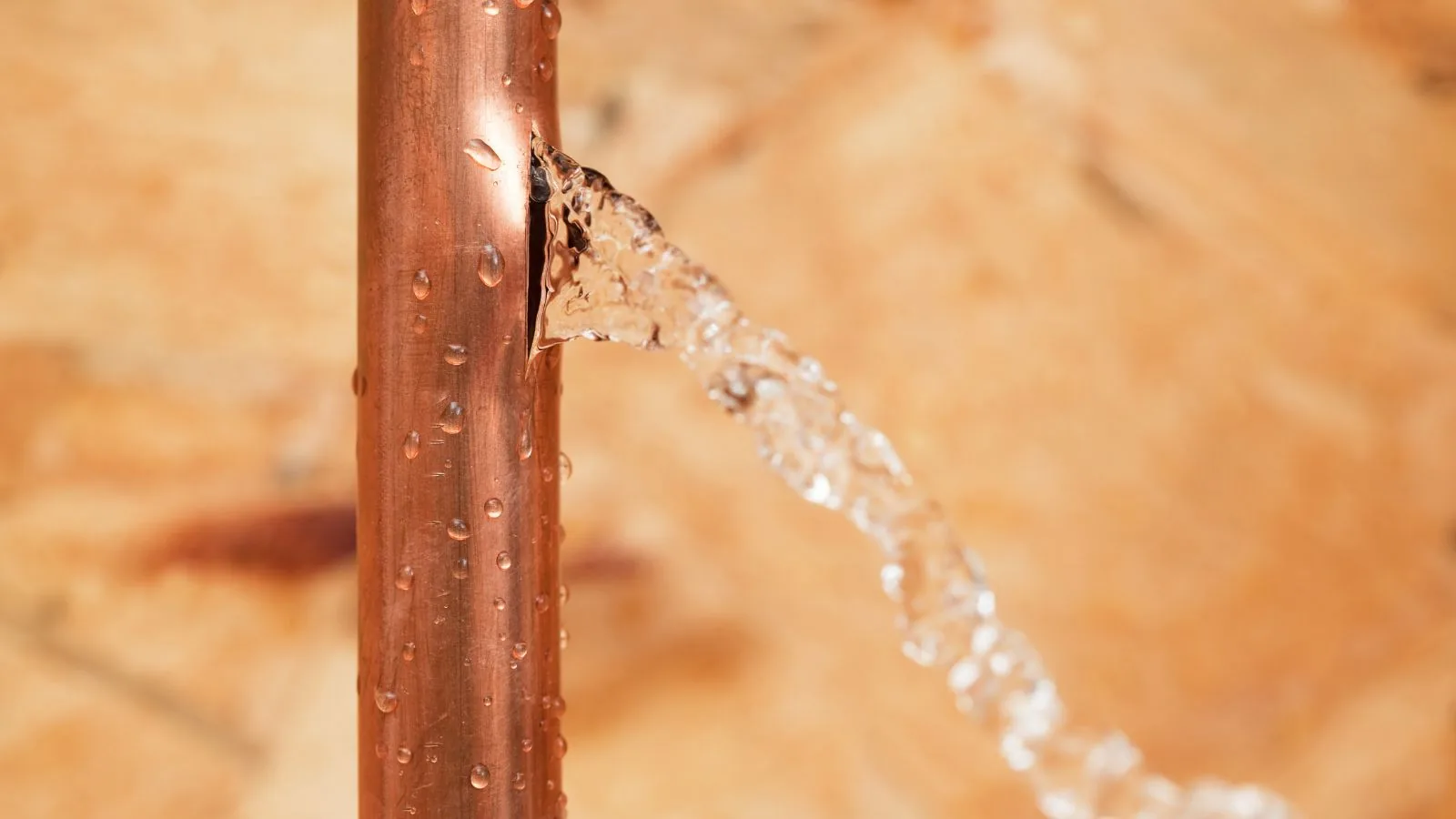
Most homeowners policies cover water damage that is sudden and accidental, and many exclude damage that builds up slowly over time. That one distinction decides more claims than any other. If water is still coming in, call our 24/7 line at (813) 738-0233 and a same-day response is available when a crew is free.
This article gives general information, not legal or insurance advice. Your policy, your insurer and the Florida Department of Financial Services are the real sources for your claim.
Sudden Versus Gradual: The Line That Matters
A pipe that bursts, a water heater that fails or an appliance hose that splits is usually treated as sudden. A slow drip under a sink that rots a cabinet over months is usually treated as gradual wear or maintenance.
Policies differ, so read the sections on covered perils, exclusions and conditions. Words like "continuous or repeated seepage" are the ones to look for.
| Type of water event | Often treated as | What to check in your policy |
|---|---|---|
| Burst pipe or split supply hose | Sudden and accidental | Covered perils, any deductible |
| Water heater failure | Sudden, but tank itself may be excluded | Cost of the unit versus resulting damage |
| Roof leak after wind damage | Depends on cause | Wind and storm sections |
| Flood from rising water | Usually excluded from standard policies | Separate flood policy |
| Sewer or drain backup | Often needs an added endorsement | Water backup endorsement |
| Slow leak over time | Often excluded | Seepage and maintenance language |
What You Are Expected to Do After a Loss
Most policies expect you to protect the property from further damage. That usually means stopping the water and starting drying promptly. Waiting for an adjuster before extracting water can make the loss bigger.
Keep damaged materials until your insurer has seen them or told you to dispose of them, and take photos first. Receipts for emergency work belong in a folder with the claim number.
- Shut off the water source and note the time.
- Photograph every wet room, the source and the damaged items.
- Call your insurer or agent and ask how to start a claim.
- Begin mitigation to stop further damage.
- Keep receipts, drying logs and readings.
Mitigation and Repair Are Different Costs
Mitigation is the emergency work: extraction, drying and removal of wet materials. Repair is the rebuild afterward. Your insurer may treat them as separate parts of a claim, and you will want records for both.
Read structural drying to see what readings and logs look like, and burst pipe water damage for a typical sudden-loss example.
Florida Rules Worth Knowing
Florida Statutes section 627.70132 sets deadlines for property insurance claims. As of the current statute, notice of an initial or reopened claim is due within one year of the date of loss, and a supplemental claim within 18 months. Check the current text, since the Legislature can change it.
The Florida Department of Financial Services runs a consumer helpline for insurance questions. Hillsborough County residents can use it to ask about the claims process.
Questions to Ask Your Insurer
- What is my deductible for water losses and for named storms?
- Is water backup from a drain covered, or does it need an endorsement?
- Does my policy limit coverage for the cost of tearing out to reach a leak?
- Are there time limits for reporting and for supplemental claims?
- Will an adjuster inspect before or after drying starts?
Write the answers down with the date and the name of the person you spoke with. If an answer is unclear, ask for it in writing.
Neighbors in Wimauma and Apollo Beach face the same policy questions, and storm seasons bring more of them.
Dealing With This Right Now?
Call the 24/7 line. We explain the scope and the price before any work starts.
What a Restoration Company Can and Cannot Do
A restoration company can document the loss with moisture readings, photos and equipment logs. It cannot decide coverage, and it should not promise that your insurer will pay.
We explain the scope and the price before work starts, and we keep records you can share with your insurer. The coverage decision stays with the insurer.
Common Mistakes That Complicate a Claim
The most common mistake is throwing away damaged materials before they are photographed. The second is waiting days to start drying because the adjuster has not called back. Both can shrink what a policy pays or enlarge the loss.
A third mistake is signing paperwork you have not read. If any contract or assignment of benefits form is put in front of you, take time to read it and ask your insurer what it means for your claim.
Keeping a Simple Claim File
- A dated photo and video set of every wet room.
- The claim number and the name of each person you spoke with.
- Moisture readings and equipment logs from the drying crew.
- Receipts for emergency work and temporary repairs.
- A list of damaged contents with approximate ages and prices.
A tidy file makes a supplemental claim easier if hidden damage shows up later. Wet drywall that looked fine can reveal more after it is opened.
If you rent out the home or own a condo, your association policy and your own policy may split responsibility. Ask each one which parts they cover before you assume.
Deductibles and Storm Seasons
Some Florida policies set a separate deductible for named storms, often a percentage of the home value. Water from a hurricane may therefore fall under a different deductible than a plumbing leak in the same house.
Read the declarations page and write down both numbers. Knowing them before a storm helps you decide what to do first. Our 24/7 line is open during storm season, and calls stack up fast after a major event.
Insurance and Water Damage Questions
Often yes if the break was sudden, but policies differ. Check your policy or ask your insurer.
Standard policies usually exclude rising flood water. A separate flood policy covers it. Ask your agent.
No. Take photos, then start mitigation. Policies usually expect you to limit further damage.
The Florida Department of Financial Services helpline answers consumer insurance questions.