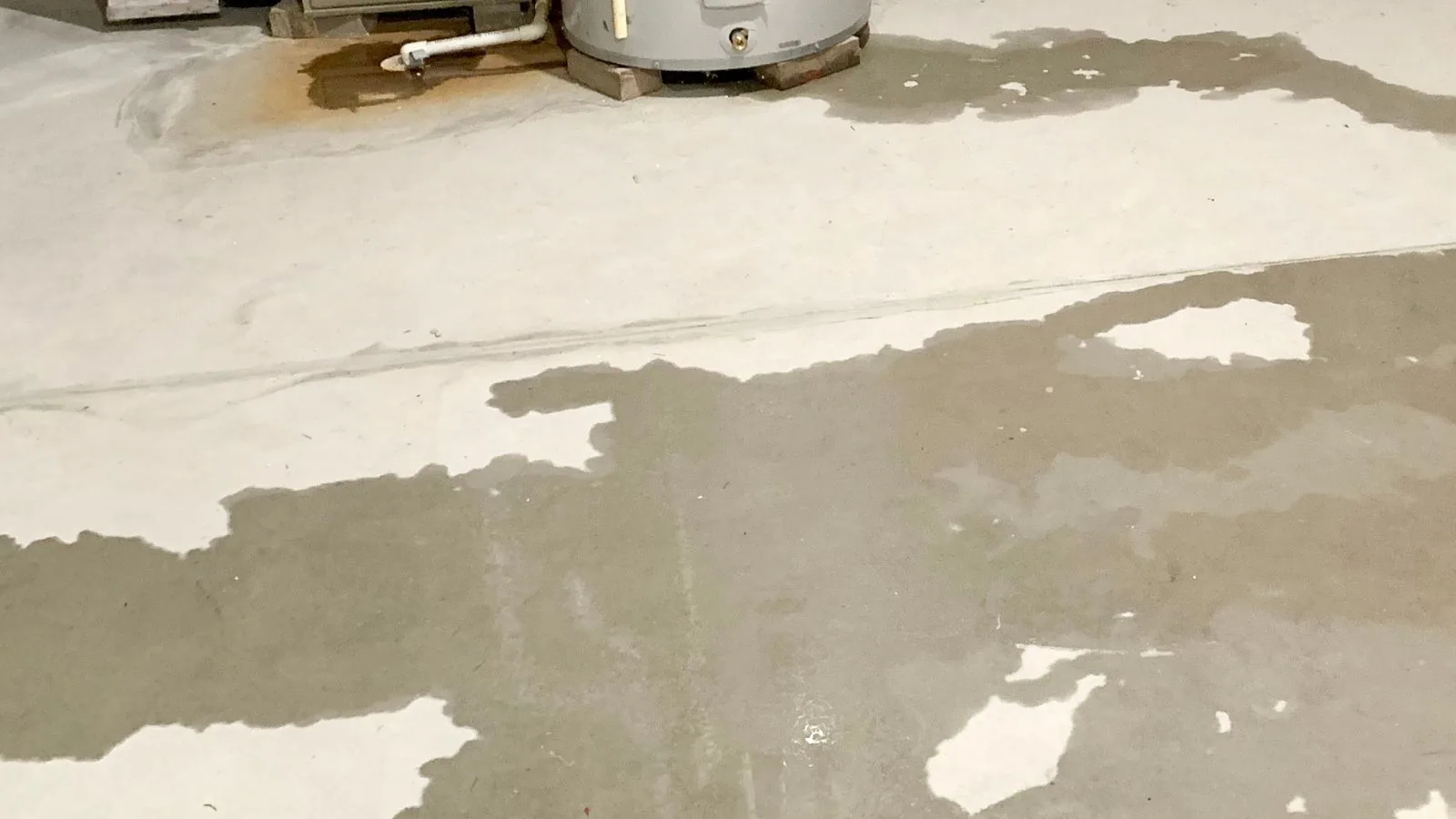
Many homeowners policies limit or exclude mold, and the answer often turns on what caused the moisture. A mold problem that follows a covered sudden leak may be treated differently from one caused by long-term humidity. If water is still coming in, call our 24/7 line at (813) 738-0233 and a same-day response is available when a crew is free.
This is general information, not legal or insurance advice. Your policy and your insurer decide coverage, and the Florida Department of Financial Services can answer process questions.
Where Mold Coverage Usually Sits in a Policy
| Policy section | What to look for | Why it matters |
|---|---|---|
| Exclusions | Mold, fungi, wet rot, dry rot | May exclude or limit mold outright |
| Limited fungi coverage | A dollar cap on mold, testing and removal | Sets the most the policy may pay |
| Covered peril language | Sudden and accidental discharge of water | Mold that follows a covered leak may fall under a limit |
| Maintenance and neglect | Continuous seepage, failure to repair | May bar claims for slow damage |
| Endorsements | Added mold or water backup coverage | Can raise limits |
Policies use different words, so quote the exact sections to your agent. Ask in writing when you can. A phone answer that is not recorded is hard to use later.
Mitigation duties usually apply. If water damage happens and you do not dry it, an insurer may argue that the growth was avoidable. Read structural drying for how drying is documented.
Cause Changes the Answer
- A burst pipe that was dried quickly: mold is less likely and the claim is mainly water damage.
- A burst pipe left wet for weeks: growth may follow and the insurer may question the delay.
- A leak from a roof after storm damage: coverage can depend on the wind or storm section.
- Flood water: a standard policy usually excludes it, and mold from it may be excluded too.
- Condensation or humidity: often treated as a maintenance issue.
These are patterns and not rules. Each policy and each loss is different. Do not assume either way.
The one safe habit is speed. Start drying within a day or two of a loss. See water extraction for the first step.
Florida Claim Deadlines and Help
Florida Statutes section 627.70132 sets notice deadlines for property insurance claims. As of the current text, notice of an initial or reopened claim is due within one year of the date of loss, and a supplemental claim within 18 months. Check the current statute since the Legislature may amend it.
The Florida Department of Financial Services helpline is listed on its website. Hillsborough County residents can call it for questions about claims and about disputes with insurers.
Records That Help Any Mold Claim
- Date-stamped photos of the leak, the damage and the growth.
- Moisture readings and drying logs.
- The assessor's report and protocol, if one was done.
- Invoices for plumbing, drying, testing and removal.
- Notes on every call with the insurer.
Keep these in one folder, on paper and on your phone. If an adjuster visits, offer the file.
We provide readings, photos and equipment logs for the water side. The coverage decision stays with the insurer.
Dealing With This Right Now?
Call the 24/7 line. We explain the scope and the price before any work starts.
Licensing and Who Does What
Florida licenses mold assessors and remediators through the Department of Business and Professional Regulation under Chapter 468, Part XVI. The rules separate assessment from remediation on the same project, with a 12-month limit on one firm doing both.
Insurers may ask for an assessor's report. Hire licensed people so the paper holds up. Our mold remediation page lays out the steps.
Condos, Rentals and Shared Walls
Condo owners often have a master policy held by the association and a personal policy for the interior. Which one pays depends on where the water came from and where the growth is. Ask both.
Neighbors in Wimauma and Apollo Beach face the same questions after storm seasons. A good file speeds everything up.
Questions to Put in Writing
- Does my policy cover mold, and is there a dollar limit?
- Does the limit include testing, removal and rebuild, or only one?
- Does it matter whether the water source was sudden or gradual?
- Do I need to use a specific vendor for testing or removal?
- What proof will you need that the work is complete?
Ask the agent to send the answers by email. Save the message with your claim file. If the answer is "it depends," ask what it depends on.
A written answer is also helpful if you disagree with a decision later. It shows what you were told and when.
What We Can and Cannot Do for a Mold Claim
We dry the structure and keep readings, photos and logs that show what was wet and for how long. That record supports the water damage part of a claim and shows you acted quickly.
We do not decide coverage, and we do not promise results with an insurer. A licensed assessor handles testing and a licensed remediator handles removal. Our process is on the mold remediation page.
Selling or Refinancing After a Mold Claim
If you plan to sell, keep the claim papers, the assessor protocol, the clearance report and the invoices together. Buyers and lenders may ask for them. A complete file removes doubt.
Insurers may also ask later for the same records if a new claim arises in the same area. Having them ready saves weeks.
Mold Insurance Questions
Sometimes, often with a limit. It depends on the cause and the policy. Ask your insurer.
Delay can create problems. Policies expect you to limit further damage.
Standard policies usually exclude flood. Check for a separate flood policy.
The Florida Department of Financial Services helpline is listed on its website.